Lower Spine Pain Explained: Expert Tips for Lasting Relief
Lower back pain is one of the most common health issues, often causing missed work and affecting daily life. The lumbar region supports your upper body and enables movement, but its heavy workload makes it prone to injury and wear. Whether it’s a constant ache or sharp discomfort, lower spine pain can be debilitating, impacting everything from work to quality time with loved ones. However, chronic pain doesn’t have to be your norm. Understanding the causes and learning effective relief and prevention strategies can help you build a stronger, healthier spine and reclaim your active life.
Understanding the Anatomy of the Lower Spine
To effectively treat the pain, you first need to understand the machinery at work. Your lower back is a complex structure of interconnected parts, and pain can originate from any one of them.
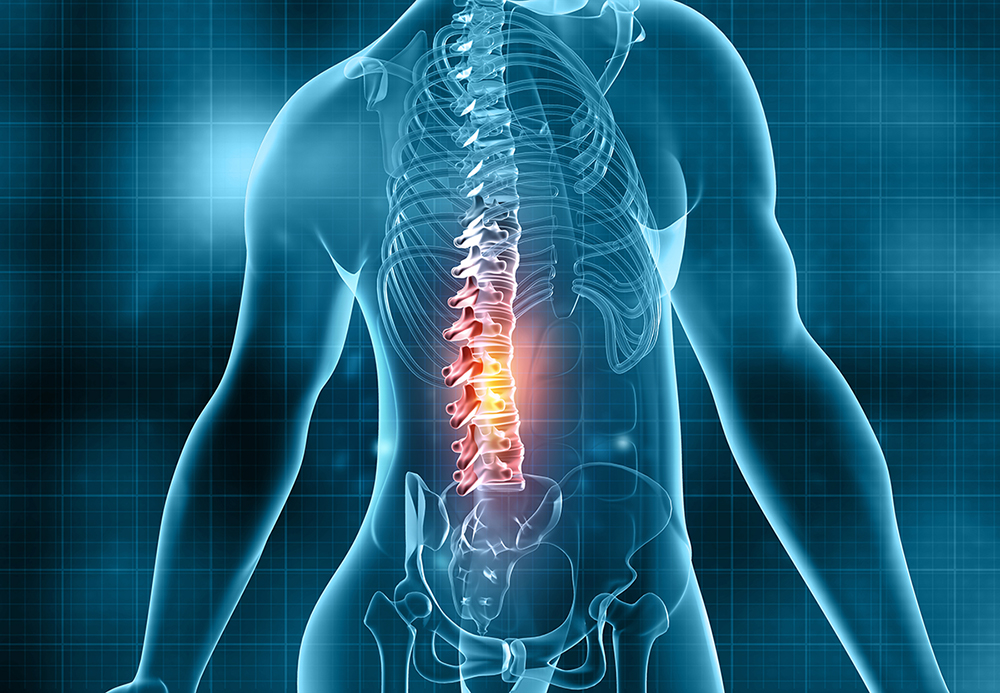
The lumbar spine consists of five vertebrae (labeled L1 to L5). These are the largest of your spinal bones because they have the biggest job: carrying the most weight. Between these vertebrae sit intervertebral discs—rubbery pads that act as shock absorbers, preventing bone from rubbing against bone.
Holding everything together is a network of ligaments (which connect bone to bone) and tendons (which connect muscle to bone). Finally, thirty-one pairs of nerves are rooted to the spinal cord, controlling body movements and transmitting signals from the body to the brain.
When you experience lower spine pain, it is often because one link in this chain has been compromised. A muscle might be strained, a ligament sprained, a disc herniated, or a nerve compressed. Because these structures are so closely knit, a problem in one area often triggers inflammation and pain in the surrounding tissues.
Common Causes of Lower Spine Pain
Identifying the culprit behind your discomfort is essential for finding the right treatment. While a specific diagnosis should come from a medical professional, understanding the categories of potential causes can help you narrow down the issue.
Lifestyle Factors
For many people, the source of pain isn’t a dramatic accident, but rather a slow accumulation of daily habits.
- Sedentary Behavior: Prolonged sitting puts significant pressure on the lumbar discs. If your job requires you to sit at a desk for eight hours a day, your hip flexors can tighten and your glutes can weaken, destabilizing your lower back.
- Poor Posture: Slouching or hunching forward shifts your spine out of alignment, forcing the muscles in your lower back to work overtime to keep you upright.
- Heavy Lifting: Lifting heavy objects—whether it’s a box at work or weights at the gym—without proper form is a frequent cause of acute strain.
Mechanical Issues and Injuries
Sometimes, the pain stems from the way the spine moves or a specific injury to the soft tissue.
- Sprains and Strains: A sprain affects ligaments, while a strain affects muscles or tendons. Both can occur from a sudden twist or a fall.
- Disc Degeneration: As we age, our intervertebral discs lose hydration and wear down. This loss of cushioning can lead to friction between the vertebrae.
- Herniated Discs: Also known as a slipped or ruptured disc, this happens when the soft inner center of a disc pushes through a crack in the tougher exterior casing, often irritating nearby nerves.
Underlying Conditions
In some cases, lower back pain is a symptom of a broader medical condition.
- Sciatica: This occurs when the sciatic nerve, which runs from the hips down the leg, is compressed. It often results in sharp, shooting pain.
- Scoliosis: An abnormal curvature of the spine can cause uneven stress on muscles and joints.
- Arthritis: Osteoarthritis can affect the lower back, leading to a narrowing of the space around the spinal cord, a condition called spinal stenosis.
Expert Tips for Immediate Relief
When pain flares up, your immediate goal is to reduce inflammation and make movement bearable again. Before reaching for medication, try these expert-recommended strategies for acute relief.
Heat and Cold Therapy
This is a classic remedy for a reason. Generally, ice is best for the first 24 to 48 hours after a new injury to reduce swelling and inflammation. Apply an ice pack for 20 minutes at a time. After the initial inflammation subsides, or for chronic, dull aches, heat is often more effective. A heating pad or a warm bath can help relax tight muscles and increase blood flow to the area, promoting healing.
Posture Correction
Be mindful of how you are holding your body right now. If you are sitting, ensure your feet are flat on the floor and your lower back is supported against the chair. If you are standing, distribute your weight evenly on both feet and avoid locking your knees. Simple awareness can immediately take the load off your lumbar region.
Ergonomic Adjustments
If you work at a desk, your setup could be sabotaging your spine.
- Monitor Height: The top of your screen should be at or slightly below eye level.
- Chair Support: Use a chair with good lumbar support, or place a small pillow behind your lower back.
- Keyboard Position: Your elbows should be at a 90-degree angle while typing.
Rest (But Not Too Much)
Bed rest used to be the standard advice for back pain, but doctors now know that staying still for too long can actually make things worse. A day or two of rest is fine for severe pain, but you should aim to return to light activity as soon as possible to prevent stiffness and muscle atrophy.
Long-Term Solutions for a Healthier Spine
While ice packs and ergonomic chairs help manage symptoms, lasting relief requires a proactive approach. Strengthening the body and improving flexibility are the pillars of long-term back health.
The Power of Core Strength
Many people mistakenly believe that back pain means they should only focus on their back muscles. However, your core—which includes your abdominals, obliques, and pelvic floor—acts as a natural corset for your spine. A weak core forces your back muscles to compensate, leading to strain.
Incorporating low-impact core exercises can make a massive difference. Planks (or modified knee planks) and “bird-dog” exercises are excellent for building stability without putting excessive pressure on the discs.
Stretching and Flexibility
Tightness in other parts of the body often pulls on the lower back. Specifically, tight hamstrings (the muscles in the back of your thighs) and hip flexors can tilt your pelvis, causing lower spine pain.
- Hamstring Stretches: Gently stretching the back of your legs can relieve tension in the pelvis.
- Child’s Pose: This yoga staple creates a gentle stretch through the entire length of the spine.
- Cat-Cow: This dynamic stretch helps improve mobility and lubricates the spinal joints.
Physical Therapy
If pain persists, a physical therapist can design a personalized program for you. They can identify movement patterns that may be contributing to your pain and teach you how to move safely.
The Role of Vitruvian Wellness Center in Comprehensive Spine Care
Sometimes, self-care isn’t enough. When lower spine pain becomes chronic or interferes with your daily life, you need a partner in your recovery. This is where Vitruvian Wellness Center steps in.
At Vitruvian Wellness Center, the philosophy is that pain is rarely an isolated event; it is a signal from the body that something is out of balance. Rather than just treating the symptom, their team looks at the whole person. They offer a comprehensive approach to spine care that integrates advanced diagnostics with holistic therapies.
Whether you are dealing with an acute injury from a weekend of gardening or chronic pain from years of desk work, Vitruvian Wellness Center provides tailored treatment plans. Their experts can guide you through physical rehabilitation, offer therapeutic massage to release deep-seated muscle tension, and provide nutritional counseling to support tissue repair. By addressing the physical, chemical, and emotional stressors that contribute to pain, Vitruvian Wellness Center aims to restore not just your back, but your overall vitality.
When to Seek Professional Help
Most back pain gradually improves with home treatment and self-care, usually within a few weeks. However, there are specific “red flags” that indicate a more serious problem requiring immediate medical attention.
You should seek professional help if your back pain:
- Follows a significant trauma, such as a fall or car accident.
- Is accompanied by fever or unexplained weight loss.
- Causes numbness or tingling in your legs or groin.
- It is severe and does not improve with rest.
- Is accompanied by a loss of bladder or bowel control (this is a medical emergency).
- Occurs at night or worsens when you lie down.
Getting a proper diagnosis is vital. Imaging tests like X-rays, MRIs, or CT scans can help doctors visualize the structures of your spine and pinpoint the exact cause of your distress.

Preventative Measures: Protecting Your Future Self
Once you have managed the pain, the goal shifts to prevention. Keeping your spine healthy involves making conscious choices every day.
Maintain a Healthy Weight
Excess weight, particularly around the midsection, shifts your center of gravity forward and places additional strain on your lower back muscles. Maintaining a healthy weight through diet and exercise reduces the mechanical load on your spine.
Quit Smoking
It might surprise you, but smoking is a risk factor for spine pain. Nicotine constricts blood vessels, which reduces blood flow to the lower spine. This can hinder the delivery of nutrients to the intervertebral discs, accelerating degeneration and slowing down healing.
Wear the Right Shoes
Your feet are the foundation of your body. Wearing shoes with poor support or high heels can alter your alignment and increase stress on your lower back. Opt for shoes with good arch support and cushioning.
Manage Stress
Chronic stress creates muscle tension, particularly in the neck and back. Practices like meditation, deep breathing exercises, or simply taking time for hobbies can help lower your stress levels and, by extension, reduce back tension.
Take the Next Step Toward Relief
Lower spine pain can be a formidable opponent, but it is one you can defeat. By understanding the anatomy of your back, recognizing the lifestyle factors that contribute to pain, and implementing a strategy of immediate relief and long-term strengthening, you can protect your spine for years to come.
You don’t have to navigate this journey alone. Whether you need a diagnosis, a rehabilitation plan, or simply guidance on better ergonomics, professional support is available.
If you are ready to move beyond the pain and invest in your long-term health, consider reaching out to the experts. The team at Vitruvian Wellness Center is ready to help you build a personalized roadmap to recovery. Don’t let pain dictate your life any longer—take the first step toward relief today.
Vitruvian Wellness Center
https://maps.app.goo.gl/hzLqHvgTWDz5xawx8
425 Union Street, West Springfield, MA 01089, United States
(413) 734-6245
https://vitruvianwellnessctr.com/