
Nerve Pain Relief: Simple Lifestyle Changes That Make a Big Difference
Living with nerve pain, or neuropathy, can feel like a daily battle against burning, tingling, or sharp shooting pains. This condition occurs when a damaged nervous system sends garbled messages between your brain and body, leading to pain or numbness.
While medication can be part of the solution, it’s not the only answer. Simple lifestyle changes—like how you eat, move, and manage stress—can significantly reduce the severity of your symptoms and address the root causes of nerve damage. At Vitruvian Wellness Center, we focus on a holistic approach that empowers you to create a lifestyle that supports nerve health, reduces pain, and helps you reclaim your quality of life.
Understanding the Roots of Neuropathy
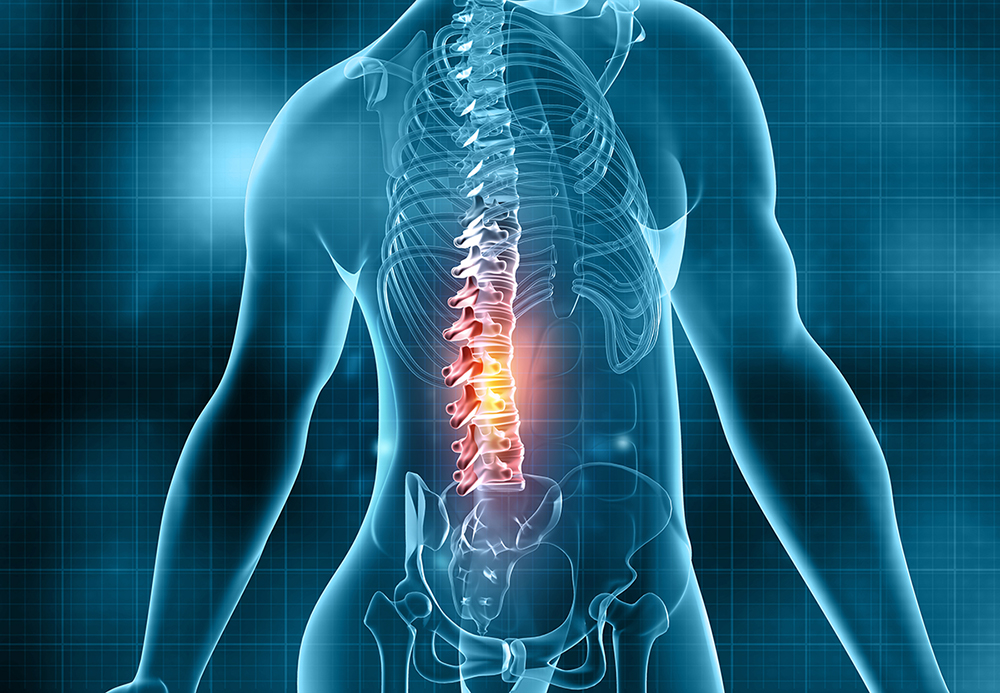
Before diving into solutions, it is helpful to understand what is happening inside your body. Your peripheral nervous system is a vast network of wires connecting your brain and spinal cord to the rest of your body. When these nerves are damaged—whether due to high blood sugar, injury, autoimmune diseases, or vitamin deficiencies—they misfire.
The result is neuropathy. For some, it feels like wearing a tight glove or sock that is filled with pins. For others, it’s a hypersensitivity where even the weight of a bedsheet feels excruciating.
Common Culprits
While there are over 100 types of peripheral neuropathy, the most common causes include:
- Diabetes: prolonged high blood sugar damages the delicate walls of the capillaries that supply the nerves with oxygen and nutrients.
- Nutritional Deficiencies: Particularly B vitamins, which are essential for nerve health.
- Trauma or Pressure: Repetitive motions or injuries (like carpal tunnel syndrome).
- Toxins: Exposure to heavy metals or excessive alcohol consumption.
Understanding the cause often illuminates the cure. If high blood sugar is the culprit, dietary control becomes the primary treatment. If it is inflammation, stress reduction and movement become key.
Daily Habits: The Foundation of Relief
You might be surprised to learn that some of your most basic daily habits could be exacerbating your nerve pain. Small adjustments in your routine can reduce the burden on your nervous system.
Prioritize Restorative Sleep
Sleep is not just a passive state; it is an active period of repair. During deep sleep, your body releases growth hormones that help repair damaged tissues, including nerves. Unfortunately, nerve pain often peaks at night, creating a vicious cycle where pain prevents sleep, and lack of sleep lowers your pain threshold.
To break this cycle, you must aggressively protect your sleep hygiene. Keep your room cool and dark. Establish a wind-down routine that signals to your brain that the day is over. If the weight of blankets hurts your feet, consider using a blanket lift bar to keep the fabric off your skin. The goal is to get into the restorative phases of sleep where healing happens.
Evaluate Your Footwear
If your nerve pain is concentrated in your feet (peripheral neuropathy), your choice of shoes is critical. Tight, narrow shoes restrict circulation, which nerves desperately need. High heels shift your weight unnaturally, putting pressure on the ball of the foot.
Switch to shoes with a wide toe box that allows your toes to splay naturally. Look for ample cushioning to absorb shock as you walk. Even inside the house, avoid walking barefoot to protect numbed feet from unnoticed injuries.
Avoid Toxins
Tobacco and alcohol are two of the biggest enemies of nerve health. Smoking constricts blood vessels, significantly reducing the amount of oxygen-rich blood reaching your nerves. This suffocation prevents healing and can worsen pain over time. Similarly, excessive alcohol is toxic to nerve tissue and can actually cause neuropathy on its own. Reducing or eliminating these substances is one of the most powerful steps you can take toward nerve pain relief.
Dietary Adjustments to Fuel Nerve Repair
Food is fuel, but it is also information. The nutrients you consume tell your body how to function and how to repair itself. When it comes to nerve pain, an anti-inflammatory, nutrient-dense diet is non-negotiable.
Regulate Blood Sugar
Because diabetes is a leading cause of neuropathy, managing blood glucose is often the first line of defense. High blood sugar acts like slow-acting poison to the nerves. By reducing your intake of refined sugars, soda, and processed carbohydrates, you protect your nerves from further damage. Focus on complex carbohydrates like whole grains, legumes, and vegetables that provide a slow, steady release of energy.
The Power of B Vitamins
The nervous system relies heavily on B vitamins, specifically B1, B6, and B12.
- Vitamin B12 is crucial for maintaining the myelin sheath, the protective coating around your nerves. Without it, nerves are exposed and vulnerable.
- Vitamin B6 aids in the production of neurotransmitters.
- Vitamin B1 (Thiamine) helps nerves utilize energy.
Incorporate foods rich in these vitamins, such as lean meats, fish, eggs, and fortified cereals. If you are vegetarian or vegan, you may need to look closely at supplementation, as B12 is primarily found in animal products.
Antioxidants and Anti-Inflammatories
Oxidative stress contributes to nerve damage. To combat this, load your plate with antioxidants.
- Alpha-Lipoic Acid (ALA): This is an antioxidant found in foods like spinach, broccoli, and yeast. Studies have shown ALA can help lower blood sugar levels and improve nerve function.
- Omega-3 Fatty Acids: Found in fatty fish like salmon, walnuts, and flaxseeds, these healthy fats help restore nerve density and reduce inflammation.
- Ginger and Turmeric: These spices are powerful natural anti-inflammatories. Try adding them to smoothies, curries, or teas.
hydration Matters
Nerves are surrounded by fluid. When you are dehydrated, the fluid volume decreases, potentially increasing irritation and slowing down the transmission of signals. Aim to drink water consistently throughout the day to keep your tissues pliable and your circulation optimal.
Exercise and Movement: Motion is Lotion
When you are in pain, the last thing you want to do is move. However, remaining sedentary can actually make nerve pain worse. Lack of movement leads to muscle atrophy, stiffness, and poor circulation. Your nerves rely on blood flow to bring them the nutrients they need to heal.
Low-Impact Aerobics
The goal is to get your heart rate up without jarring your body. High-impact activities like running might be too harsh if you have foot pain. Instead, try:
- Swimming or Water Aerobics: The buoyancy of water takes the weight off your joints and painful extremities while providing resistance for muscle strengthening.
- Stationary Cycling: This gets the blood pumping to your legs without the impact of pavement.
- Walking: A simple daily walk, provided you have proper footwear, is excellent for blood sugar control and circulation.
Balance and Flexibility
Neuropathy often affects balance, increasing the risk of falls. Numbness in the feet means your brain isn’t getting accurate information about where you are standing. Practices like Tai Chi and Yoga are incredibly beneficial. They focus on slow, controlled movements, deep breathing, and balance. They also help keep muscles flexible, preventing the tightness that often accompanies chronic pain.
Start slow. Even five to ten minutes of gentle movement a day can signal to your body that it is safe to move, helping to desensitize an overactive pain system.
Stress Management: Breaking the Pain Loop
There is a profound connection between your mind and your pain levels. Chronic pain causes stress, and stress, in turn, amplifies pain. When you are stressed, your body releases cortisol and adrenaline. These hormones put your nervous system on high alert, making it more sensitive to pain signals. This creates a feedback loop that can be difficult to break.
Calming the Nervous System
To manage nerve pain, you must learn to shift your body from the “fight or flight” sympathetic state to the “rest and digest” parasympathetic state.
- Deep Breathing: Techniques like 4-7-8 breathing (inhale for 4, hold for 7, exhale for 8) physically force your body to relax.
- Meditation and Mindfulness: Mindfulness teaches you to observe the sensation of pain without judging it or fearing it. This psychological shift can actually reduce the intensity of the pain you feel.
- Engagement: Do not let pain isolate you. engaging in hobbies, spending time with friends, or simply listening to music you love releases dopamine and endorphins—your body’s natural painkillers.
Partnering with Vitruvian Wellness Center
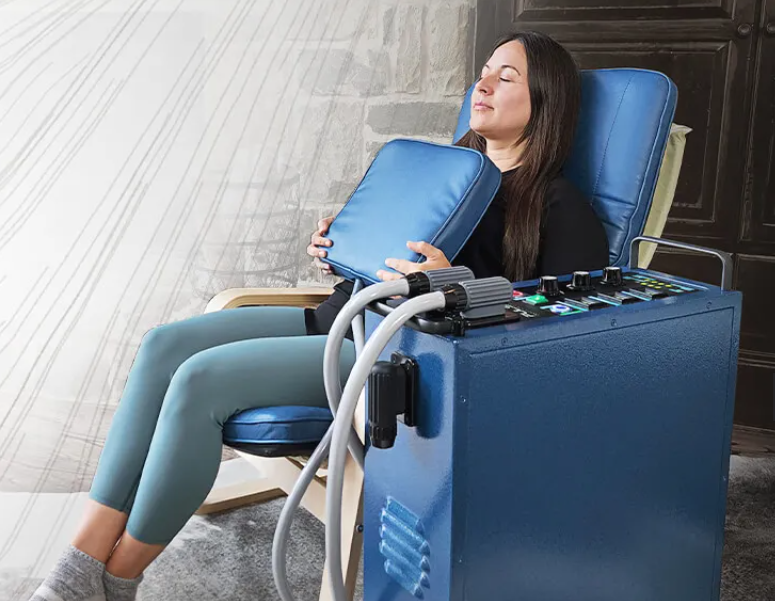
Making these lifestyle changes can feel overwhelming, especially when you are dealing with chronic pain. You do not have to navigate this journey alone. At Vitruvian Wellness Center, we specialize in helping individuals find relief through comprehensive, personalized nerve pain care.
We understand that nerve pain is multifaceted. It is not just about a damaged nerve; it is about how that damage affects your sleep, your mood, and your nutrition. Our team works with you to identify the specific triggers of your neuropathy.
Whether you need guidance on an anti-inflammatory diet, a safe exercise plan tailored to your mobility levels, or stress-reduction techniques that fit your busy schedule, Vitruvian Wellness Center provides the support and expertise you need. We move beyond standard symptom management to help you build a lifestyle that fosters healing and resilience.
Taking the First Step Toward Relief
Nerve pain can feel overwhelming, but you have the power to influence your body’s healing environment. By prioritizing sleep, eating nerve-repairing foods, moving gently, and managing stress, you give your nervous system the tools it needs for long-term recovery.
Recovery is a journey of small, consistent choices. Every healthy decision—from the food you eat to a few moments of deep breathing—adds up. If you’re ready to take the first step toward a more holistic path to relief, our team at Vitruvian Wellness Center is here to guide you. Your journey to a life with less pain and more joy starts today.
Vitruvian Wellness Center
https://maps.app.goo.gl/hzLqHvgTWDz5xawx8
425 Union Street, West Springfield, MA 01089, United States
(413) 734-6245
https://vitruvianwellnessctr.com/