
Shoulder Pain Relief Without Surgery: Natural Options You Should Know
Shoulder pain can turn everyday tasks into challenges, from reaching for a mug to finding a comfortable sleeping position. It’s a frustrating and often worrying experience, leaving many to fear the worst—like needing surgery. But here’s the good news: surgery is rarely the first or only solution.
The body has an amazing ability to heal with the right approach. By addressing the root causes of your pain and exploring holistic, non-invasive therapies, you can often restore function and find shoulder pain relief without surgery. From targeted exercises to nutritional support, natural methods not only ease discomfort but pave the way for lasting wellness.
Understanding the Complexity of Shoulder Pain
To fix the machine, you have to understand how it works. The shoulder is one of the most mobile joints in the human body, but that mobility comes at a cost: stability. While your hip is a deep ball-and-socket joint that is hard to dislocate, your shoulder is more like a golf ball sitting on a tee. It relies heavily on a complex network of muscles, tendons, and ligaments to keep it in place and functioning correctly.
When any part of this intricate system is out of balance, pain is the result. Understanding the source of the pain is the first step toward treating it effectively.
Common Causes of Discomfort
While every injury is unique, most shoulder issues fall into a few common categories. Identifying which one resonates with your symptoms can help guide your treatment plan.
Rotator Cuff Injuries
The rotator cuff is a group of four muscles and tendons that stabilize the shoulder. These tissues can become inflamed (tendonitis) or partially torn due to repetitive overhead motions, heavy lifting, or general wear and tear as we age. Pain from a rotator cuff injury often manifests as a deep ache in the shoulder that worsens at night.
Frozen Shoulder (Adhesive Capsulitis)
This condition is exactly what it sounds like. The connective tissue enclosing the joint becomes thickened and tight, restricting movement. It usually develops in stages, starting with pain, moving to stiffness, and eventually “thawing” out. However, the process can take years if left untreated.
Shoulder Bursitis
Small, fluid-filled sacs called bursae act as cushions between the bones and soft tissues. When these sacs become irritated or inflamed—often due to repetitive motion—the result is bursitis. It typically causes a warm, swelling sensation and sharp pain upon movement.
Osteoarthritis
This is the “wear and tear” arthritis. over time, the smooth cartilage that cushions the ends of the bones wears down, allowing the bones to rub against each other. This friction causes stiffness, pain, and a grinding sensation known as crepitus.
Referred Pain
Sometimes, the problem isn’t in your shoulder at all. pinched nerves in the neck or upper back can send pain signals radiating down into the shoulder blade or arm. Treating the shoulder pain in this case won’t work because the root cause lies elsewhere in the spine.
The Limitations and Risks of Surgery
Modern medicine is miraculous, and there are certainly severe cases—such as massive, traumatic tears—where surgery is the best option. However, for the majority of chronic shoulder issues, surgical intervention should be viewed as a last resort rather than a first line of defense.
Surgery is traumatic to the body. Even minimally invasive arthroscopic procedures require anesthesia, incisions, and the cutting of healthy tissue to reach the problem area. This introduces risks such as infection, nerve damage, and adverse reactions to medication.
Furthermore, the “fix” isn’t instantaneous. Post-surgical recovery is a marathon, not a sprint. Patients often face weeks of immobilization in a sling, followed by months of intensive rehabilitation to regain strength and range of motion. During this time, your ability to work, drive, and care for your family is severely limited.
Perhaps most concerning is that surgery doesn’t guarantee a pain-free existence. Some studies suggest that for conditions like rotator cuff tears or impingement, long-term outcomes for patients who choose physical therapy are statistically similar to those who choose surgery. If the destination is the same, why take the rockier road?
Non-Surgical Treatment Options
If you take surgery off the table, you are left with a wide array of natural therapies designed to work with your body to promote healing. These methods focus on reducing inflammation, restoring alignment, and strengthening the support structures around the joint.
Physical Therapy
Physical therapy is the cornerstone of non-surgical rehabilitation. A skilled physical therapist acts as a mechanic for your body, identifying movement patterns that may be contributing to your pain.
The goal isn’t just to stretch it out. Therapy focuses on strengthening the muscles of the rotator cuff and the scapula (shoulder blade). When these muscles are strong, they better stabilize the joint, taking pressure off the tendons and ligaments. Therapists also use manual techniques to mobilize the joint and break up restrictions, improving your range of motion over time.
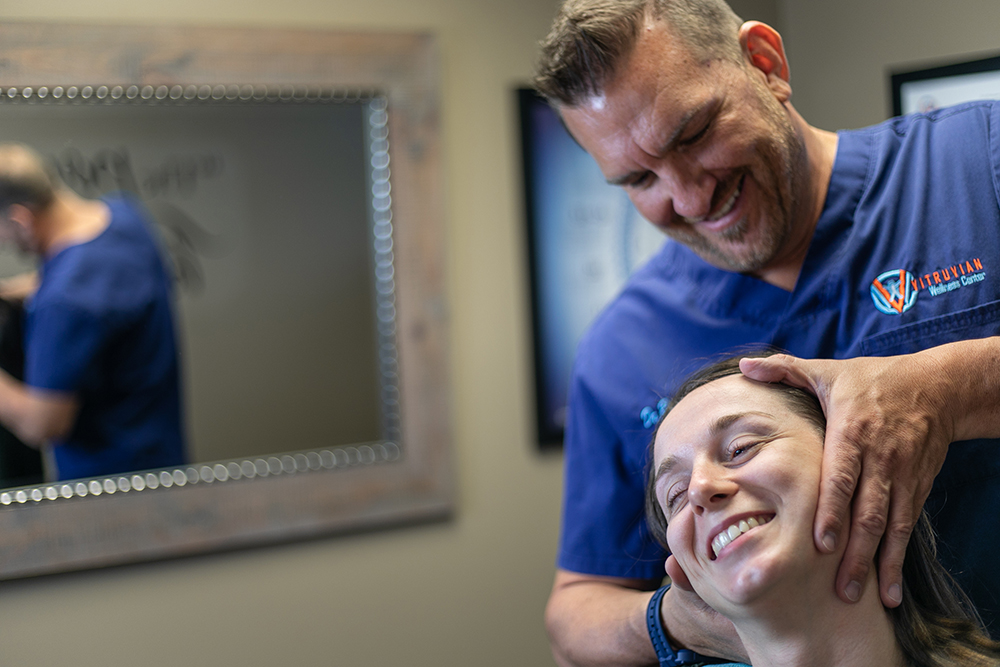
Chiropractic Care
Many people associate chiropractic care solely with the spine, but chiropractors are experts in the entire musculoskeletal system. The shoulder joint is directly influenced by the alignment of the neck and upper back. If your cervical spine or thoracic spine is misaligned, it can alter the mechanics of how your shoulder moves, leading to impingement and pain.
Chiropractic adjustments can restore proper alignment to the spine and the shoulder joint itself. By ensuring the skeleton is moving correctly, nerve interference is reduced, and the muscles can fire more efficiently.
Acupuncture
Acupuncture is an ancient practice that has found a permanent home in modern pain management. By inserting thin, sterile needles into specific points on the body, acupuncturists stimulate the nervous system.
This stimulation triggers the release of endorphins—the body’s natural painkillers—and cortisol, a natural anti-inflammatory. For shoulder pain, acupuncture can be particularly effective at increasing blood flow to the area. Blood carries the oxygen and nutrients necessary for tissue repair. By boosting circulation, you are essentially speeding up the body’s internal repair crew.
Massage Therapy
Muscle tension is often a major contributor to shoulder pain. When you are in pain, you subconsciously guard the area, hiking your shoulders up toward your ears. This creates a cycle of tension and pain.
Therapeutic massage goes beyond relaxation. Techniques like deep tissue massage and myofascial release target the trigger points and adhesions (knots) within the muscle fibers. Breaking down this scar tissue allows the muscles to lengthen and relax, immediately reducing pressure on the shoulder joint.
Nutritional Support
We often forget that what we eat directly impacts how we feel. Chronic pain is fueled by inflammation. If your diet is high in processed sugars, refined carbs, and trans fats, you are essentially pouring gasoline on the fire.
Adopting an anti-inflammatory diet can have a profound effect on joint pain. Incorporating foods rich in omega-3 fatty acids (like salmon and walnuts), antioxidants (berries and leafy greens), and natural anti-inflammatories like turmeric and ginger can systemically reduce swelling. Hydration is equally critical; your joints need water to maintain the lubrication that allows them to glide smoothly.
Introducing Vitruvian Wellness Center
Finding the right provider for these various treatments can be exhausting. You might find a great chiropractor in one part of town and a massage therapist in another, but rarely do they communicate with each other. This fragmented approach often leads to fragmented results.
At Vitruvian Wellness Center, we believe in a different path. We understand that pain is multifaceted, and therefore, healing must be integrative. We don’t just treat the symptom; we treat the whole person.
Our Approach to Shoulder Pain Relief
The philosophy at Vitruvian Wellness Center is built on the concept of synergy. We bring together various disciplines under one roof to create a comprehensive, customized treatment plan for your specific shoulder condition.
When you visit us, you aren’t just getting an adjustment or a set of exercises. You are getting a team that collaborates on your care. Our specialists analyze how your lifestyle, posture, nutrition, and biomechanics are interacting to cause your pain. We combine the structural correction of chiropractic care with the soft tissue work of massage and the rehabilitation of physical therapies.
This holistic view ensures that we aren’t just putting a band-aid on the problem. We are correcting the underlying dysfunction so that the pain stays away for good.

Lifestyle Changes for Shoulder Health
While professional treatment is vital, what you do outside of the clinic matters just as much. To maintain healthy shoulders and prevent recurrence, certain lifestyle adjustments are non-negotiable.
Correct Your Posture
In our digital age, “tech neck” is a shoulder killer. Slouching over a computer or phone rolls the shoulders forward, closing off the space in the joint and pinching the tendons. Focus on keeping your chest up and your shoulder blades tucked into your back pockets.
Ergonomic Workspace
If you work at a desk, your setup is crucial. Your monitor should be at eye level so you aren’t looking down. Your keyboard and mouse should be positioned so your elbows are at a 90-degree angle, preventing you from reaching forward and straining the shoulder girdle.
Sleep Position
Side sleeping can wreak havoc on sore shoulders. It puts the full weight of your torso directly on the joint, cutting off circulation and compressing the tissues. Try sleeping on your back with a pillow under your knees, or if you must sleep on your side, hug a pillow to keep your top shoulder aligned.
Stress Management
We carry the weight of the world on our shoulders—literally. Stress causes us to tense our trapezius muscles (the large muscles spanning the neck and shoulders). incorporating stress-reduction techniques like deep breathing, meditation, or gentle yoga can physically lower the tension in your upper body.
Take Control of Your Shoulder Pain
Living with chronic shoulder pain is exhausting, but accepting it as your new normal is not an option. Neither is rushing into a surgery that may not deliver the results you hope for. The path to relief is often less invasive and more empowering than you think.
By understanding the root of your injury and utilizing the natural, powerful healing modalities available to you, you can rebuild your strength and mobility.
You don’t have to navigate this journey alone. If you are ready to explore a holistic, non-surgical approach to pain relief, the team at Vitruvian Wellness Center is here to guide you. We are dedicated to helping you move better, feel better, and live better.
Vitruvian Wellness Center
https://maps.app.goo.gl/hzLqHvgTWDz5xawx8
425 Union Street, West Springfield, MA 01089, United States
(413) 734-6245
https://vitruvianwellnessctr.com/