

Migraine Treatments Explained: What Doctors Want You to Know
If you have ever found yourself retreating to a dark, quiet room, praying for the throbbing in your head to stop, you know that a migraine is far more than just a bad headache. It is a complex neurological event that can derail your day, your week, or even your career.
For the one billion people worldwide who suffer from migraine attacks, the search for relief is often a frustrating cycle of trial and error. The World Health Organization classifies severe migraine attacks as one of the most disabling illnesses, comparable to dementia, quadriplegia, and active psychosis. Yet, despite its prevalence and severity, it remains widely misunderstood and often stigmatized.
The good news is that our understanding of the “migraine brain” has advanced significantly in the last decade. We have moved past the days of simply recommending aspirin and a nap. Today, effective management involves a multi-faceted approach combining cutting-edge pharmacology, lifestyle adjustments, and holistic therapies. This guide explores the spectrum of migraine treatments, from standard medical interventions to the integrated care models found at specialized clinics like the Vitruvian Wellness Center.
Understanding the Migraine Brain
To treat a migraine effectively, you must first understand what is happening inside the body. A migraine is not a vascular issue alone; it is a neurological disease involving nerve pathways and brain chemicals.
During an attack, specific nerves in your blood vessels send pain signals to your brain. This releases inflammatory substances into the nerves and blood vessels of your head. It’s a cascade of events that results in severe pain, often accompanied by nausea, vomiting, and extreme sensitivity to light and sound.
Symptoms and Phases
A migraine attack often consists of four phases, though not everyone experiences all of them:
- Prodrome: Occurring one or two days before the headache, symptoms include constipation, mood changes, food cravings, and neck stiffness.
- Aura: Experienced by about 25% of sufferers, this phase can include visual phenomena like flashes of light or blind spots, and sometimes tingling in the face or hands.
- Attack: A headache that lasts from 4 to 72 hours if untreated.
- Postdrome: The “migraine hangover,” characterized by confusion, moodiness, dizziness, and weakness.

Distinguishing Between Different Forms
Not all migraines are created equal. Identifying which type you experience is the first step toward effective treatment.
Migraine with Aura
Previously known as “classic migraine,” this type includes the warning signs mentioned above. These sensory disturbances usually last between 10 to 60 minutes.
Migraine without Aura
This is the most common type, formerly called “common migraine.” It strikes without the specific visual or sensory warning signs, though the prodrome phase may still occur.
Chronic Migraine
This diagnosis is given to individuals who experience headaches on 15 or more days per month for at least three months, with at least eight of those days having migraine features. This condition requires a more aggressive preventive strategy.
Vestibular Migraine
Pain may not even be the primary symptom here. Instead, the dominant issue is vertigo, dizziness, or problems with balance. Because the headache is sometimes absent, this type is frequently misdiagnosed.
Common Triggers: Identifying and Avoiding Them
The “migraine brain” is hypersensitive to change. While a non-migraineur can skip a meal or sleep late without consequence, a person with migraine disease may find these small shifts trigger a debilitating attack.
Dietary Triggers
While triggers are highly individual, common culprits include:
- Aged Cheeses: Contain tyramine, which can trigger headaches.
- Alcohol: particularly red wine and beer.
- Food Additives: Nitrates in cured meats and monosodium glutamate (MSG) in processed foods.
- Caffeine: A double-edged sword; it can stop a migraine for some but trigger one for others, especially during withdrawal.
Environmental Factors
Changes in weather or barometric pressure are frequent triggers. Bright or flashing lights, loud sounds, and strong smells (like perfume or paint thinner) can also induce an attack.
Hormonal Changes
Women are three times more likely to suffer from migraines than men, largely due to hormonal fluctuations. Many women report headaches immediately before or during their periods, known as menstrual migraines, due to the drop in estrogen.
Stress and Sleep
High stress is a major trigger, but so is the “let-down” period after stress release (the “weekend headache”). Furthermore, missing sleep or getting too much sleep can both be problematic. Consistency is key.
Medical Treatments: The Pharmacological Arsenal
Medical migraine treatment is generally divided into two categories: acute (abortive) medication taken during an attack to stop it, and preventive medication taken daily to reduce the frequency and severity of attacks.
Acute Treatments
These are designed to stop the pain once it starts.
- Over-the-Counter (OTC) Relief: For mild attacks, medications like ibuprofen, aspirin, or combinations containing caffeine (like Excedrin) can be effective.
- Triptans: These prescription drugs (e.g., sumatriptan, rizatriptan) work by blocking pain pathways in the brain. They are the gold standard for moderate to severe migraines.
- Ergotamines: Often combined with caffeine, these are less effective than triptans for many but remain a crucial option for those whose headaches last for more than 48 hours.
- Anti-nausea medications: Since migraines are often accompanied by nausea, these are frequently prescribed alongside pain relievers.
Preventive Treatments
If your migraines are frequent, long-lasting, or unresponsive to acute treatment, doctors may prescribe preventive drugs. Interestingly, many of these were originally designed for other conditions.
- Beta-blockers: Originally for high blood pressure, these can reduce the frequency of attacks.
- Antidepressants: Tricyclic antidepressants can prevent migraines by affecting the level of serotonin and other brain chemicals.
- Anti-seizure drugs: Medications like topiramate can be effective but may carry side effects like dizziness or weight changes.
- CGRP Inhibitors: This is a newer class of drugs specifically developed for migraine prevention. They work by blocking Calcitonin Gene-Related Peptide, a molecule involved in migraine pain. Examples include Aimovig and Emgality.
- Botox Injections: For chronic migraine sufferers, injections of onabotulinumtoxinA every 12 weeks can significantly reduce headache days.
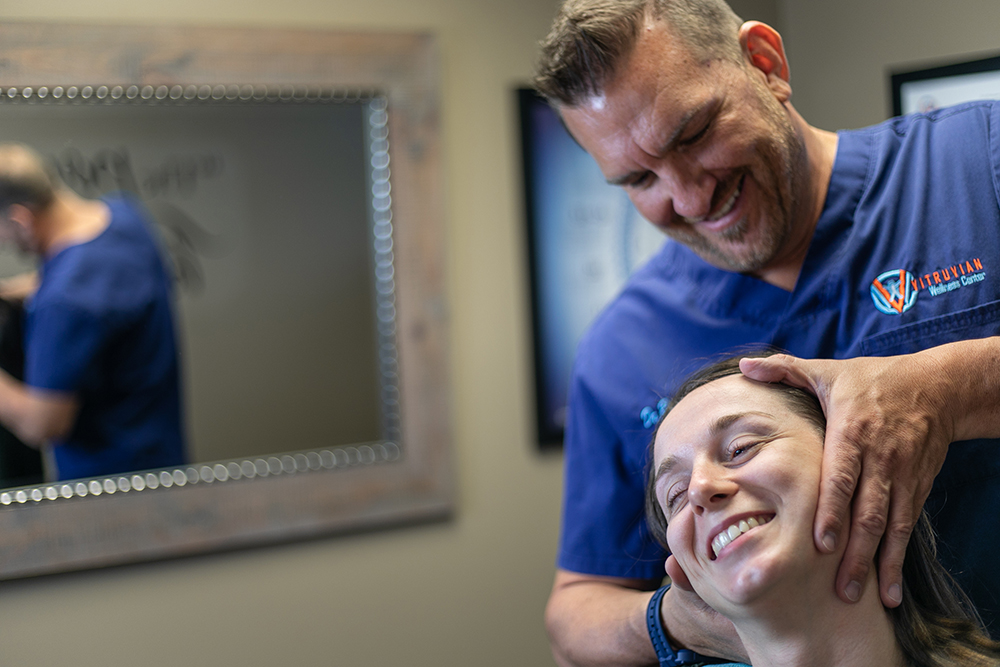
Alternative Therapies: Non-Pharmaceutical Options
Many patients find that medication alone isn’t enough, or they wish to avoid the side effects of prescription drugs. Alternative therapies can be excellent adjuncts to medical treatment.
Biofeedback and Cognitive Behavioral Therapy (CBT)
Biofeedback teaches you to control autonomic body functions, such as heart rate and muscle tension, to reduce pain. CBT helps you manage the stress that triggers migraines and cope with the pain when it occurs.
Acupuncture
Clinical trials have suggested that acupuncture may be helpful for headache pain. By stimulating specific points on the body with thin needles, practitioners aim to restore energy flow and trigger the body’s natural painkillers.
Supplements
Certain vitamins and minerals have shown promise in clinical studies:
- Magnesium: Many migraine sufferers are deficient in magnesium. Supplementation can be particularly helpful for migraine with aura.
- Riboflavin (Vitamin B2): High doses may reduce the frequency of headaches.
- Coenzyme Q10: An antioxidant that may lower attack frequency.
Note: Always consult a healthcare provider before starting supplements, as they can interact with other medications.
Lifestyle Changes: The SEEDS Method
Managing migraines often requires a complete lifestyle overhaul. Doctors often recommend the “SEEDS” method for self-care:
S – Sleep Hygiene
Maintain a strict sleep schedule. Go to bed and wake up at the same time every day, even on weekends. Avoid screens before bed and keep the bedroom cool and dark.
E – Exercise
Regular, moderate aerobic exercise can reduce the frequency of attacks. However, sudden intense exertion can be a trigger, so it is important to warm up slowly.
E – Eat
Low blood sugar can trigger headaches. Do not skip meals. Eat fresh, whole foods and stay hydrated. Keeping a food diary can help identify specific dietary triggers.
D – Diary
Keep a headache diary. Track when your headaches start, how long they last, what you ate, the weather, and what medication you took. This data is invaluable for your doctor.
S – Stress Management
Since stress is a primary trigger, finding ways to manage it is non-negotiable. This might include yoga, meditation, deep breathing exercises, or simply carving out time for relaxation.
The Role of Specialists: When to Seek Expert Help
While a primary care physician can handle mild cases, you should see a specialist if your headaches are severe, frequent, or unresponsive to OTC medication.
Neurologists are doctors who specialize in the nervous system and are the primary specialists for migraine. For complex cases, you might see a headache specialist—a neurologist with additional fellowship training specifically in headache disorders.
Seek immediate medical attention if:
- You experience the “worst headache of your life” (thunderclap headache).
- You have a headache with fever, stiff neck, confusion, seizure, or double vision.
- You have a headache after a head injury.
The Vitruvian Wellness Center Approach
For many sufferers, the fragmented nature of healthcare—seeing a neurologist here, a nutritionist there, and a therapist somewhere else—adds to the stress of the condition. This is where integrated care models, like the one practiced at the Vitruvian Wellness Center, offer a significant advantage.
The Vitruvian Wellness Center operates on the philosophy that migraine is not just a symptom to be suppressed, but a signal from the body that requires a holistic response. Their approach moves beyond the standard 15-minute consultation. Instead, they focus on personalized medicine that bridges the gap between conventional neurology and functional wellness.
At Vitruvian, the treatment protocol might include:
Comprehensive Diagnostics: Going beyond standard MRIs to look at inflammatory markers, hormonal imbalances, and nutrient deficiencies.
Integrative Pain Management: Combining necessary pharmaceutical interventions with physical therapies, acupuncture, and massage to reduce muscle tension that exacerbates head pain.
Nutritional Psychiatry: Working with patients to design anti-inflammatory diets that support brain health, rather than just handing out a list of “foods to avoid.”
Mind-Body Connection: Offering on-site stress management techniques and biofeedback to lower the body’s overall inflammatory load.
By treating the whole person rather than just the pain, centers like Vitruvian aim for long-term remission and resilience, rather than just temporary symptom relief.

Recent Advances in Research
The future of migraine treatment service is brighter than ever. Research is currently exploding in several promising directions:
- Neuromodulation Devices: These are wearable devices that use electrical or magnetic currents to stimulate nerves and stop pain. FDA-cleared devices like Cefaly (trigeminal nerve stimulator) and gammaCore (vagus nerve stimulator) offer drug-free alternatives.
- Genetic Research: Scientists are identifying specific genetic markers associated with migraines, which could lead to highly personalized gene therapies in the future.
- New Delivery Systems: Research is underway for new ways to deliver medication, such as nasal sprays and microneedle patches, which act faster than oral tablets and bypass the stomach (crucial for those with nausea).
Taking Control of Your Treatment
Living with migraines can feel like living on a fault line, never knowing when the next quake will hit. But you are not powerless. The era of simply “living with it” is over.
By understanding your triggers, exploring the wide range of medical and alternative therapies, and considering integrated care providers like the Vitruvian Wellness Center, you can significantly reduce the impact of this disease on your life.
If your current treatment plan isn’t working, speak up. Advocate for yourself. With the right combination of tools and the right medical support, you can reclaim your days from the darkness of migraine pain.
Vitruvian Wellness Center
https://maps.app.goo.gl/hzLqHvgTWDz5xawx8
425 Union Street, West Springfield, MA 01089, United States
(413) 734-6245
https://vitruvianwellnessctr.com/